Conflict in Ethiopia update on the Global Conflict Tracker
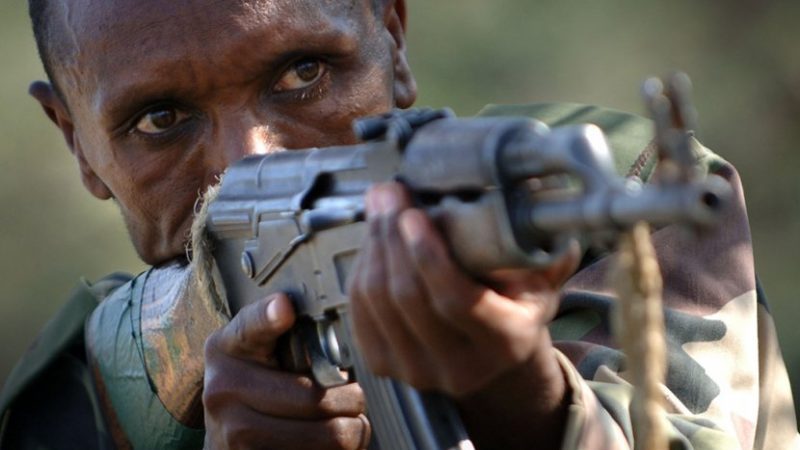
The Council on Foreign Relations has shared a new update regarding the ongoing conflict in Ethiopia. This report tracks major changes and security issues affecting the region right now. Readers can learn more by checking the global conflict tracker for fresh details.
What is the conflict in Ethiopia?
The conflict in Ethiopia involves deep political struggles and armed groups. Many people want to know how the violence started and who is fighting. Recent reports show that tension remains high across different parts of the country.
Efforts to bring peace have faced many hard blocks over the past few years. Families living in the area often face great danger and struggle to find food and basic aid. Observers watch these events closely to see if talks can help stop the fighting.
How does this crisis affect global politics?
Global leaders pay close attention when large nations face internal wars. Trade routes and regional stability can change very fast during such hard times. Countries near Ethiopia also worry about refugees crossing borders to stay safe.
International groups work hard to send help to those who need it most. Governments around the world discuss ways to support peace talks and end the suffering. Experts hope that new diplomatic steps will bring a better future soon.
What is the history of the Ethiopian civil conflict?
Many years of political disagreement created the foundation for modern troubles. Different groups fought for more power and control over local resources. You can read more about the background on the Ethiopian civil conflict page to understand the roots of the issue.
Past agreements often failed to stop the cycle of violence for long. Leaders changed over time, but the core problems stayed very difficult to solve. Historians note that deep social divisions make lasting peace a hard goal to reach.
What to watch next in this region
- Look for new reports from international monitors and aid groups.
- Watch for updates on possible peace talks between leaders.
- Pay attention to how neighboring countries react to border safety.
Ordinary people should stay informed as the situation keeps changing day by day. Reliable news sources will share more updates when leaders make new decisions. Everyone hopes for a quick and peaceful end to the crisis.


Comments
Post a Comment