How Bees Make Honey Step by Step
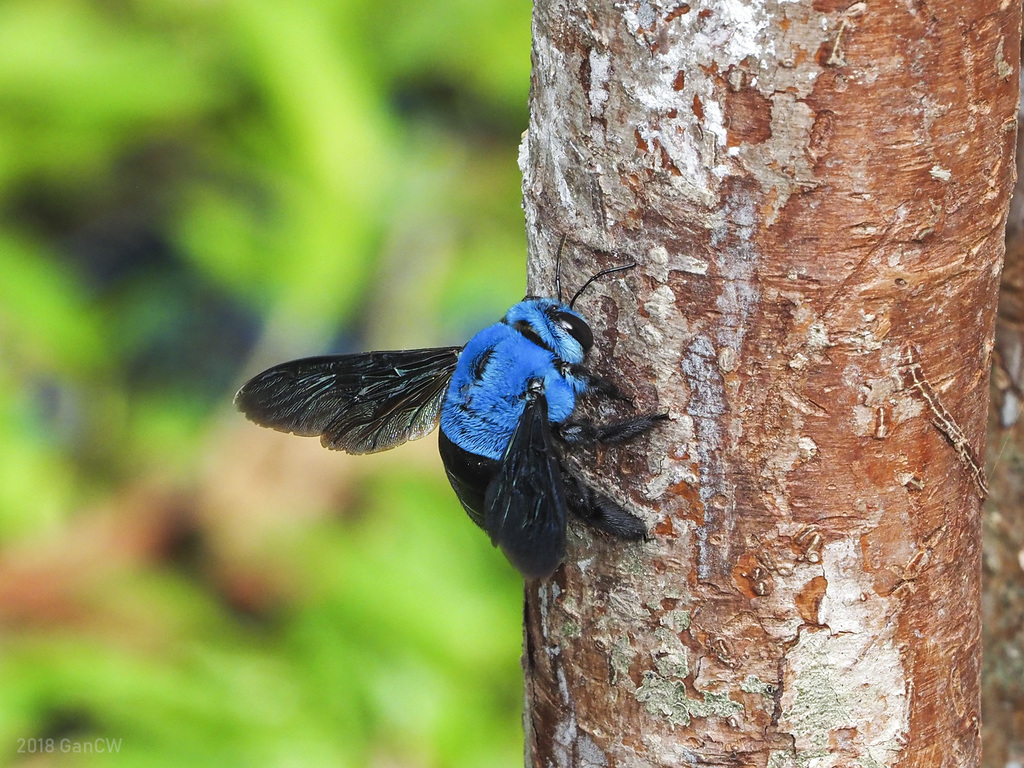
Worker bees turn sweet plant juice into sticky golden honey through a busy indoor process. They visit thousands of tiny flowers every single day to gather sweet nectar in their special stomachs.
How bees make honey is a neat team job. Field workers bring nectar back to the hive and pass it mouth to mouth until it gets thick. Then they fan their wings hard to dry out the extra water.
The Sweet Trip to the Flowers
Honey bees fly out from their home hive in search of bright blossoms. They use long tongues to drink sugary liquid from plants like clover and apple trees.
A tiny honey stomach holds the sweet load until the bee is full. One single bee might visit up to one hundred flowers on just one quick trip.
They also collect yellow pollen on their fuzzy legs while they land. This dust helps plants grow and feeds baby bees back home.
Nature works in busy ways to keep biodiversity strong and healthy for every plant and animal.
Sharing the Sweet Load at the Hive
Back at the wooden box, field bees hand the wet nectar over to indoor worker bees. This mouth to mouth pass adds special body juices that break down natural sugars.
The mixture goes into six-sided wax cups called honeycomb cells. Bees build these tiny rooms with wax from glands on their own bellies.
Worker bees line up side by side to do this heavy indoor labor. They work day and night without much rest during warm summer months.
Some people even earn money from home while reading about bugs, much like finding online jobs that need only a phone in your spare time.
Fanning Away the Wet Water
Fresh nectar has too much water to keep long without spoiling. Bees must dry it out until it turns thick and sticky.
Hundreds of tiny insects stand over the open wax cells and beat their wings fast. This creates a warm indoor breeze that dries out the liquid fast.
They check the thick syrup often to see if it is ready. Once it reaches the right sticky stage, the food is safe from bad germs.
You can learn more about how nature and cute garden animals live their daily lives in the sunshine.
Sealing Up the Golden Food
When the honey is thick enough, bees make fresh wax covers to seal each cell tight. This keeps dust out and stops water from getting back inside.
Sealed honey stays good for a very long time inside the dark hive. Bees save these full honey combs to eat during cold winter months when flowers hide.
Beekeepers take only the extra honey that the colony does not need to eat. They leave plenty behind so the family stays full and happy.
Next time you spread sweet honey on warm toast, remember the flying bugs that worked hard to make it.
Do you think you could fly to a hundred flowers in one afternoon just to gather sweet food for your family?
Building the Perfect Wax Rooms
Before bees can store any sweet food, they need lots of tiny rooms to put it in. Young worker bees eat a lot of honey so their bodies can make pure white wax. Tiny pocket plates on their bellies turn the food into little flakes of wax.
The bees chew these warm flakes until soft and gooey. They press the pieces together to shape perfect six sided cells that fit side by side with no wasted space. This clever shape holds the most weight using the least amount of wax.
Guard Bees and Hive Safety
A busy home full of sweet food attracts hungry visitors from the outside world. Guard bees stand at the front door to check every bug that tries to fly inside. They know their hive mates by smell and chase away robbers like wasps and yellow jackets.
Sometimes bigger animals want a taste of the golden treat too. The brave guards use sharp stingers to protect their home and keep the royal queen safe from harm.
The Royal Nursery
Not every wax cell in the wooden box is used for sticky food. The queen bee needs special large rooms to lay her tiny white eggs. Nurse bees feed baby larvae with rich food called royal jelly until they grow up big and strong.
These growing bugs spin little silk cocoons before turning into adult workers. Soon they take on new chores like cleaning rooms or carrying heavy loads of dust.
Dancing to Share Secrets
Honey bees have a clever way to talk to each other without making any sound. When a field worker finds a great patch of bright flowers, she comes home to tell her friends. She does a funny wiggle dance on the wall of the honeycomb.
The angle and speed of her little dance tell the other bugs which way to fly and how far the blossoms are. Soon a whole group heads out together to gather more sweet liquid.
Different Tastes from Different Blooms
The flavor of sweet honey changes depending on which plants the insects visit. Clover makes a mild golden syrup that many people love on toast. Apple blossoms add a fruity tang while orange trees give a citrus kick.
Darker honey often comes from buckwheat flowers and has a strong rich taste. Every jar tells the story of the specific fields and trees where the bugs spent their sunny days.
Helpful Tools for the Beekeeper
People who take care of hives use special gear to stay safe while working. A wide hat with mesh net keeps stinging bugs away from the face. Heavy white suits cover arms and legs so the insects cannot pinch bare skin.
A gentle smoker creates cool grey mist that calms the buzzing colony down. This makes it easy to lift out heavy wooden frames and check on the health of the buzzing family.
Winter Sleep and Survival
When cold autumn winds blow the petals off the plants, the outdoor trips finally stop. Bees cluster together in a tight ball around their queen to share body heat. They shiver their wing muscles to stay warm like a tiny living blanket.
They slowly eat the sealed golden food stored away during the summer. By working together as a strong team, they make it through the freezing months until spring brings new flowers back to life.


Comments
Post a Comment